
Friendly & Compliant EPCs for SW London in 24 hours
Get your fast, market-ready EPC from an experienced assessors who values your privacy, your property, and your pets. From booking to certificate, we make the EPC process simple, fast, and stress‑free. No third parties, you deal directly with us.
Tired of Chasing Assessors and Waiting on EPCs?
Needing an EPC can feel like a box‑ticking exercise, but it still eats up your time. Maybe you’ve sent a few enquiries and heard nothing back, or been offered appointments days or weeks away. Meanwhile, your sale listing, rental advert, or paperwork is on hold.
You might be worried about “failing” the EPC, what it means for a C rating, or how much it will all cost in the end. You don’t want a hard sell or a confusing report. You just want someone reliable, who turns up when they say they will, does a thorough job, and tells you in plain English what it all means.
A Local EPC Expert Who Makes the Process Simple
Philbeach Contracts gives you a fast, straightforward way to get a fully compliant EPC from an experienced local assessor who has completed more than 6,000 inspections since 2007. You get a clear, accurate report and, if you want it, easy‑to‑follow advice on what to do next.
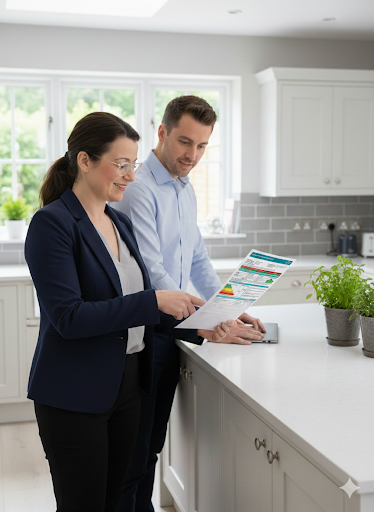
Whether you’re a homeowner, landlord, or estate agent, you can book a convenient slot, have your property assessed, and receive your EPC without chasing or guesswork. If you’re aiming for a C rating, you also get practical guidance on the most cost‑effective upgrades so you don’t waste money on the wrong work.
6000+
19+
Years of experience
EPC Assessments
Fast EPCs, Clear Advice, No Surprises
Quick, Convenient Appointments


We agree on mutually convenient time, I arrive promptly, carry out the assessment efficiently, and keep disruption to a minimum. Ideal if you “just want it sorted” so your sale or rental can go ahead.

Experienced Local EPC Assessor
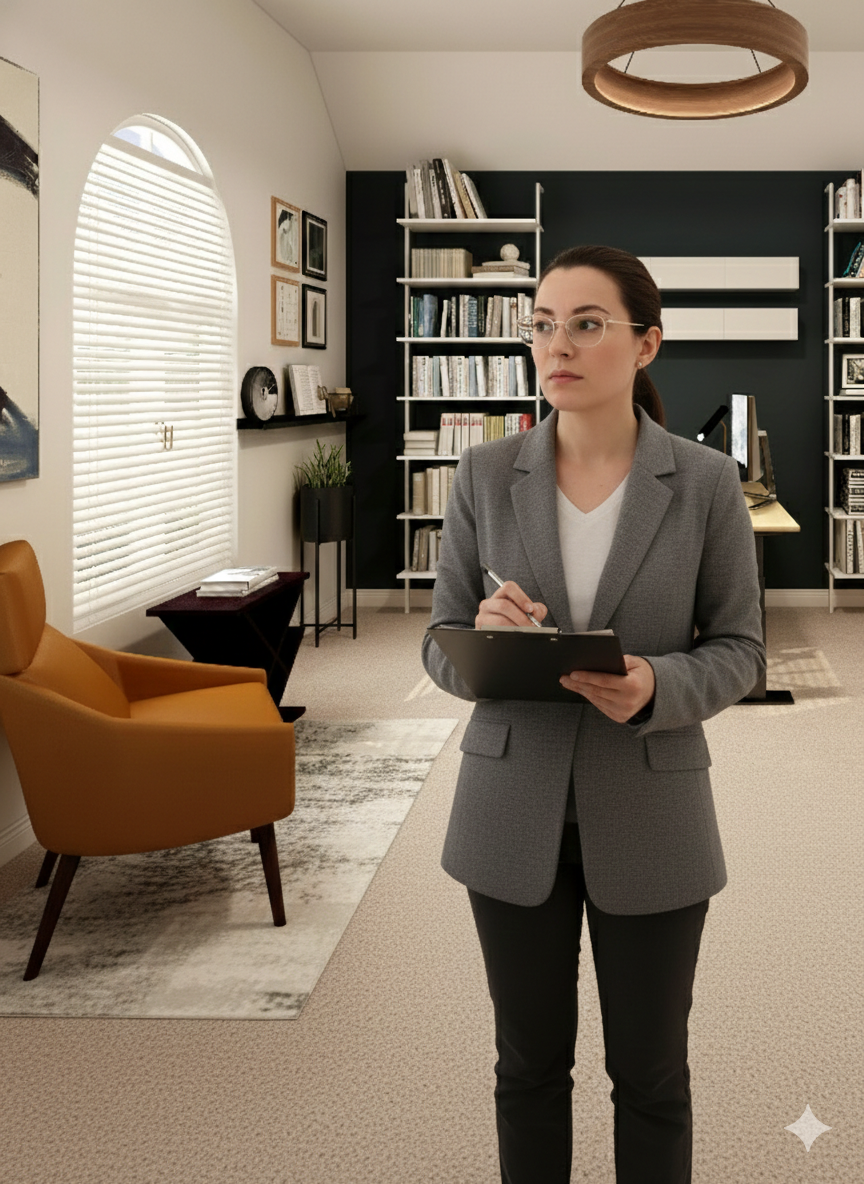
With thousands of EPCs completed across London homes, I know how different property types behave and what lenders, agents, and councils expect. That means fewer delays, no cutting corners, and a certificate you can rely on.
If you’re aiming to hit EPC C or lower your bills, you get clear, honest pointers on what will actually move the needle, and what probably isn’t worth the spend. No pressure, no upsell, just straight answers in plain language.
Practical Guidance If You Want It


Clients reviews
As a landlord with several flats, I just wanted a reliable assessor who doesn’t mess me around. Eva has been my go‑to for years - efficient, reasonably priced, and easy to deal with.
K. Kamińska, Hammersmith


Excellent service from start to finish. The EPC assessment was carried out professionally and efficiently, with a clear explanation of the rating and recommendations. The report was delivered promptly and everything was handled smoothly. Highly recommended.

D. Mercer, Clapham
★★★★★
★★★★★
Our estate agent recommended Philbeach Contracts when we were rushing to list our house. The whole process was simple, and we even got useful tips on how to improve the rating before putting it on the market.
★★★★★
M. Ellington, Chelsea
Ready to Get Your EPC Off Your Mind?
Book a convenient time today and get your EPC sorted quickly, with clear communication at every step and no hidden extras.
Frequently asked questions
How quickly can I get my EPC?
In most cases I can offer you a prompt appointment, and your EPC is usually turned around within 24 hours after the visit. If you have a tight deadline, just let me know when you get in touch.
What areas do you cover?
I focus on residential properties in Southwest and West London, working with homeowners, landlords, and estate agents who need a reliable local assessor.
Can you help me improve my rating to a C?
Yes. Alongside the standard EPC, I can walk you through the report and highlight the most cost‑effective changes to help you move towards a C rating, so you can plan upgrades with confidence and avoid unnecessary spend.
How long does the appointment take?
It really depends on the size and complexity of each property. Most EPC visits take around 30–45 minutes for a typical flat or small house, and up to an hour for larger properties. I’ll let you know in advance if I expect it to take longer.
Do I need to prepare anything before you arrive?
If possible, please make sure I have access to all rooms, the boiler, heating controls, smart meters and the loft (if it is safely accessible). I will need to measure each window individually, so clear access to windows would be appreciated. Having a floorplan can speed things up, but it’s not essential, however any documentation relating to property refurbishments or upgrades would be very helpful.
How much is the EPC?
The fee depends on the size and complexity of the property. It starts from £90.00 for small to medium size flats and £125.00 for maisonettes and houses up to 150 sqm. For larger or more complex properties, I’ll provide an individual quote so you only pay for what you need. Fees for commercial properties are quoted on an individual basis.
Let's Connect
Eva Torvenyiova
07958 255 625
epc@philbeachcontracts.co.uk
Reliable EPC assessments since 2007
© 2026 All rights reserved